

The Most Comprehensive Oxalate Database. Period.
2,500+ foods with multi-source consensus data from peer-reviewed research. Per-serving values, risk levels, cooking method reductions, and source transparency for every entry.
Search foods...
Spinach, cooked
755mgVERY HIGH
Almonds
469mgVERY HIGH
Sweet Potato
141mgHIGH
Broccoli, steamed
6mgLOW
Multi-Source Consensus Algorithm
Instead of trusting a single lab measurement, we aggregate data from multiple peer-reviewed sources and compute a consensus value.
Collect
Gather measurements from Harvard, Wake Forest, OHF, Siener, and 12+ other peer-reviewed sources.
Filter
Identify and exclude dry-weight outliers that overstate values by 10-40x compared to fresh-weight.
Compute
Calculate the median of remaining values. Median resists the pull of any single extreme measurement.
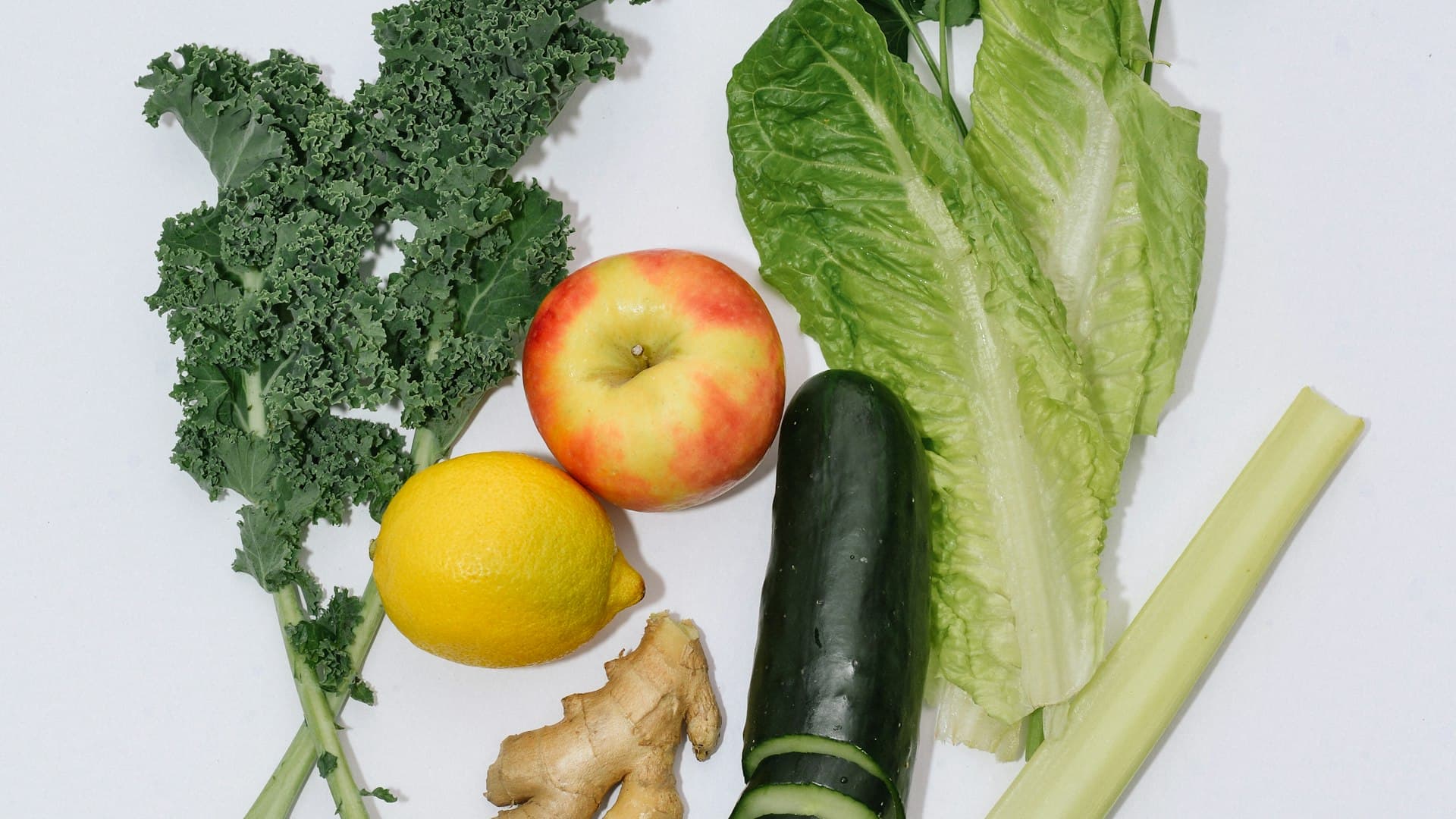
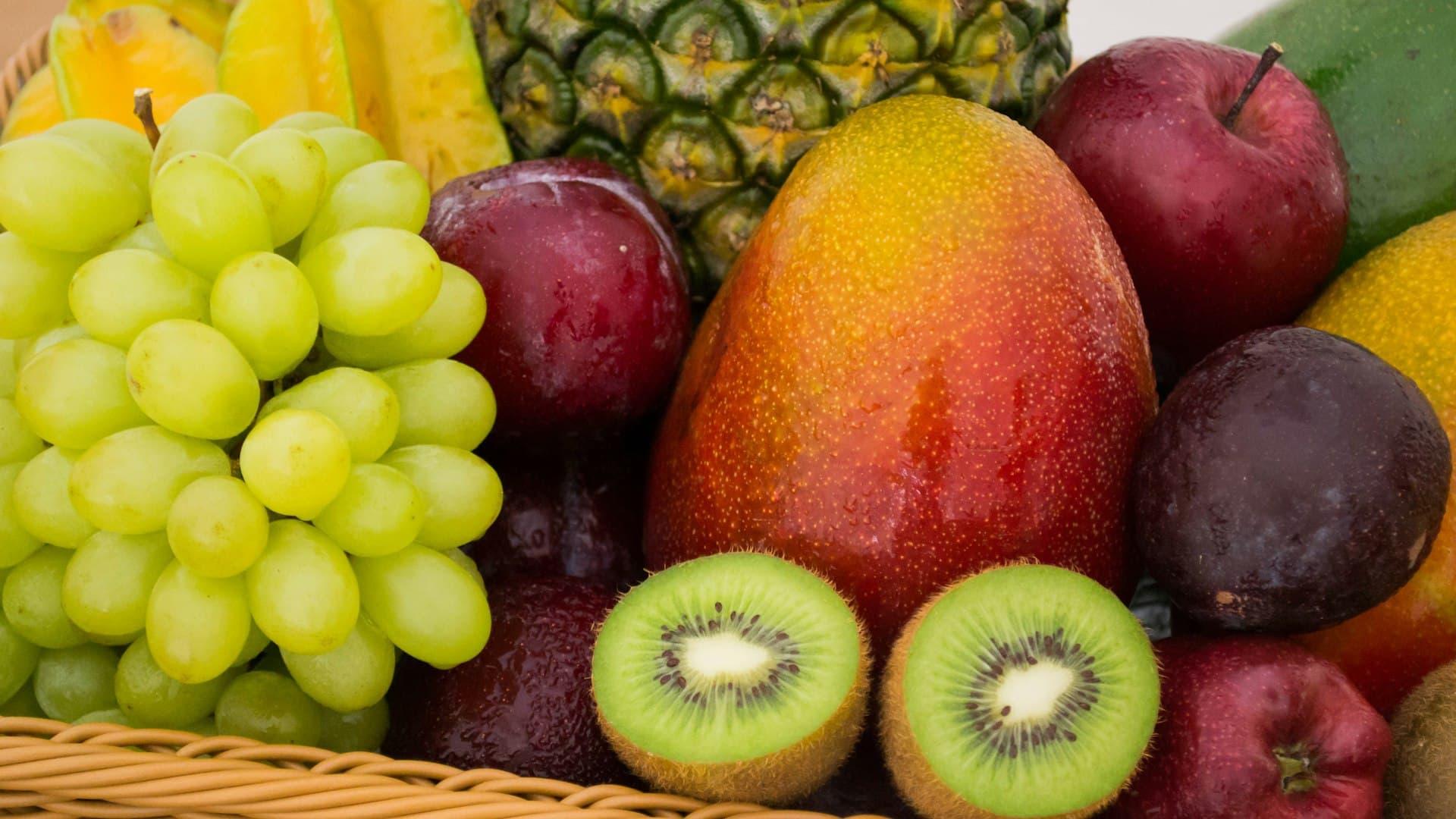
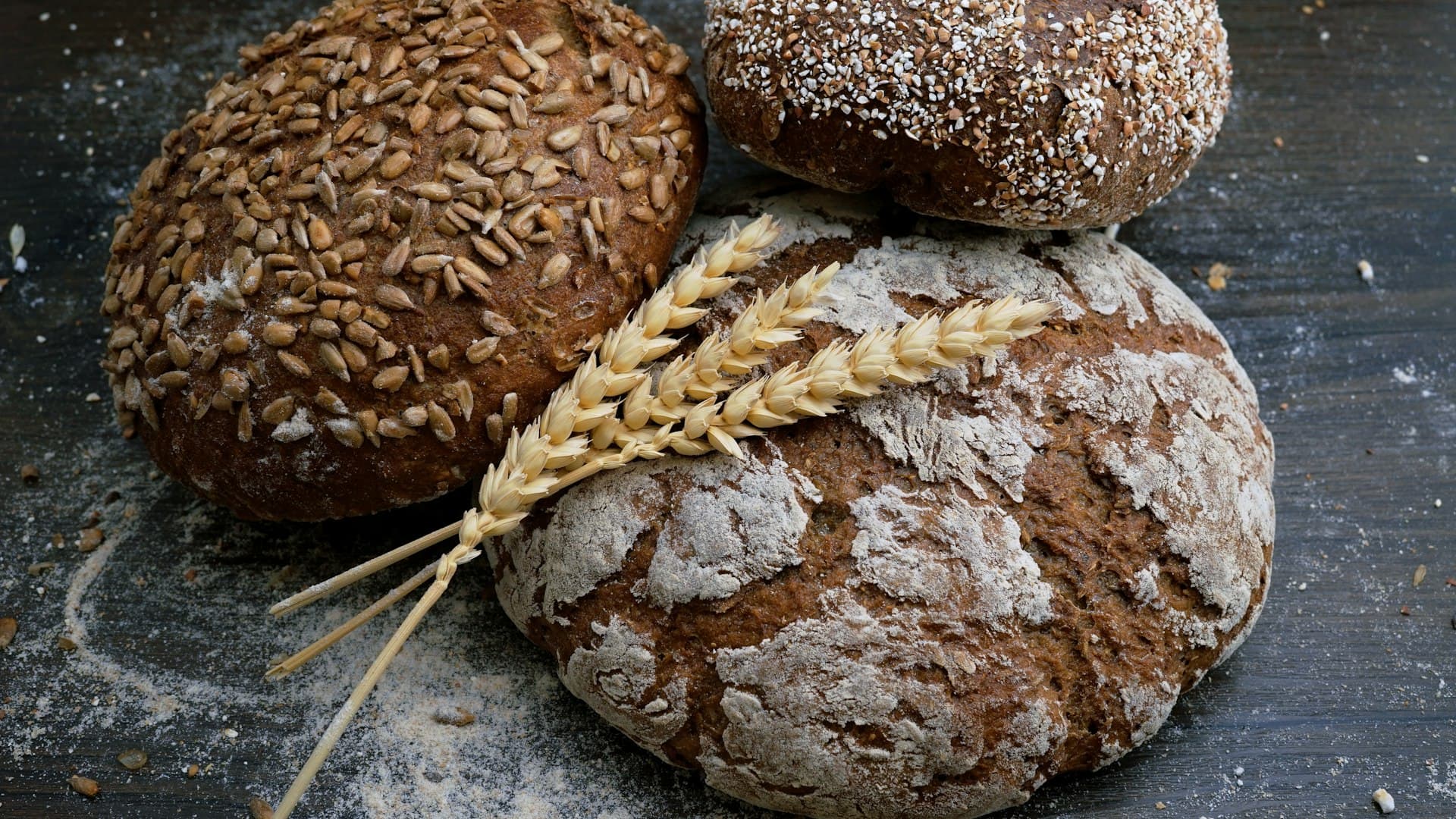
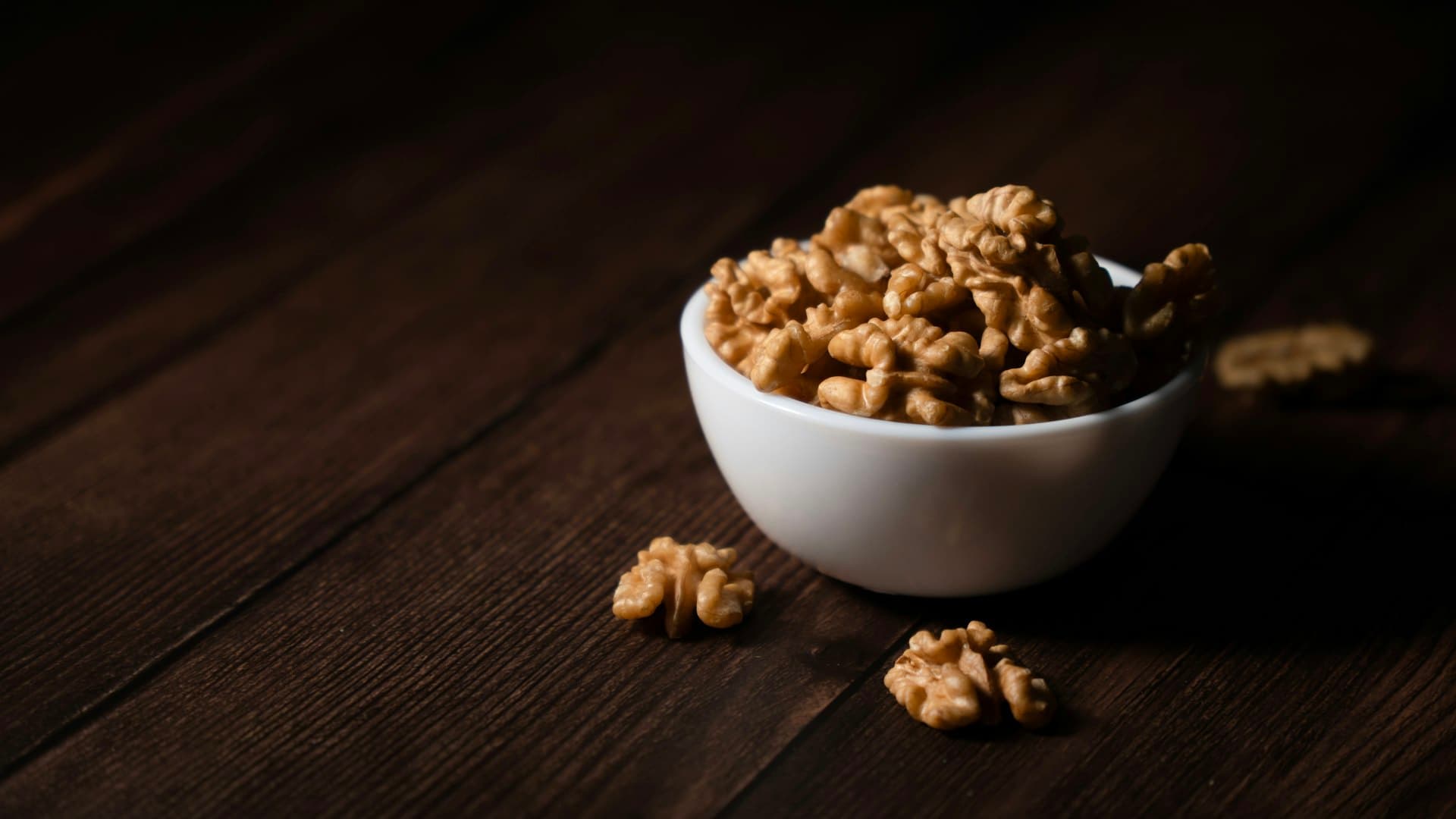
Explore by Category

2,500+
Foods Tracked
2,300+
Measurements
15+
Research Sources
14
Food Categories
More Ways to Stay Safe
Frequently Asked Questions
How many foods are in the database?
The database currently contains 2,500+ foods across 14 categories including vegetables, fruits, grains, proteins, dairy, beverages, spices, condiments, sweets, commercial products, supplements, fats, legumes, and nuts.
Where does the data come from?
We aggregate data from peer-reviewed research including Harvard, Oxalate Hunters Foundation, Wake Forest, MDPI 2023, KidneyCop, Siener studies, and more. Each food's value is a multi-source consensus, not a single measurement.
What is the consensus algorithm?
For foods with multiple measurements, we compute the median value after excluding dry-weight outliers (which can be 10-40x higher than fresh-weight). This prevents inflated values from a single lab measurement.
How are risk levels determined?
Risk levels are based on oxalate per 100g: LOW (<25mg), MODERATE (25-99mg), HIGH (100-299mg), and VERY HIGH (300+mg). We also show per-serving values based on standard portions.
Can I see which sources measured each food?
Yes! Every food detail page includes a Source Breakdown accordion showing each measurement source, its value, and whether it's a fresh-weight or dry-weight measurement.
Is the database different from free online lists?
Yes. Most free lists use a single source (often the outdated USDA 1984 data which reported dry-weight values). OxalateGuard cross-references multiple modern sources and filters out dry-weight outliers to give you more accurate, actionable values.